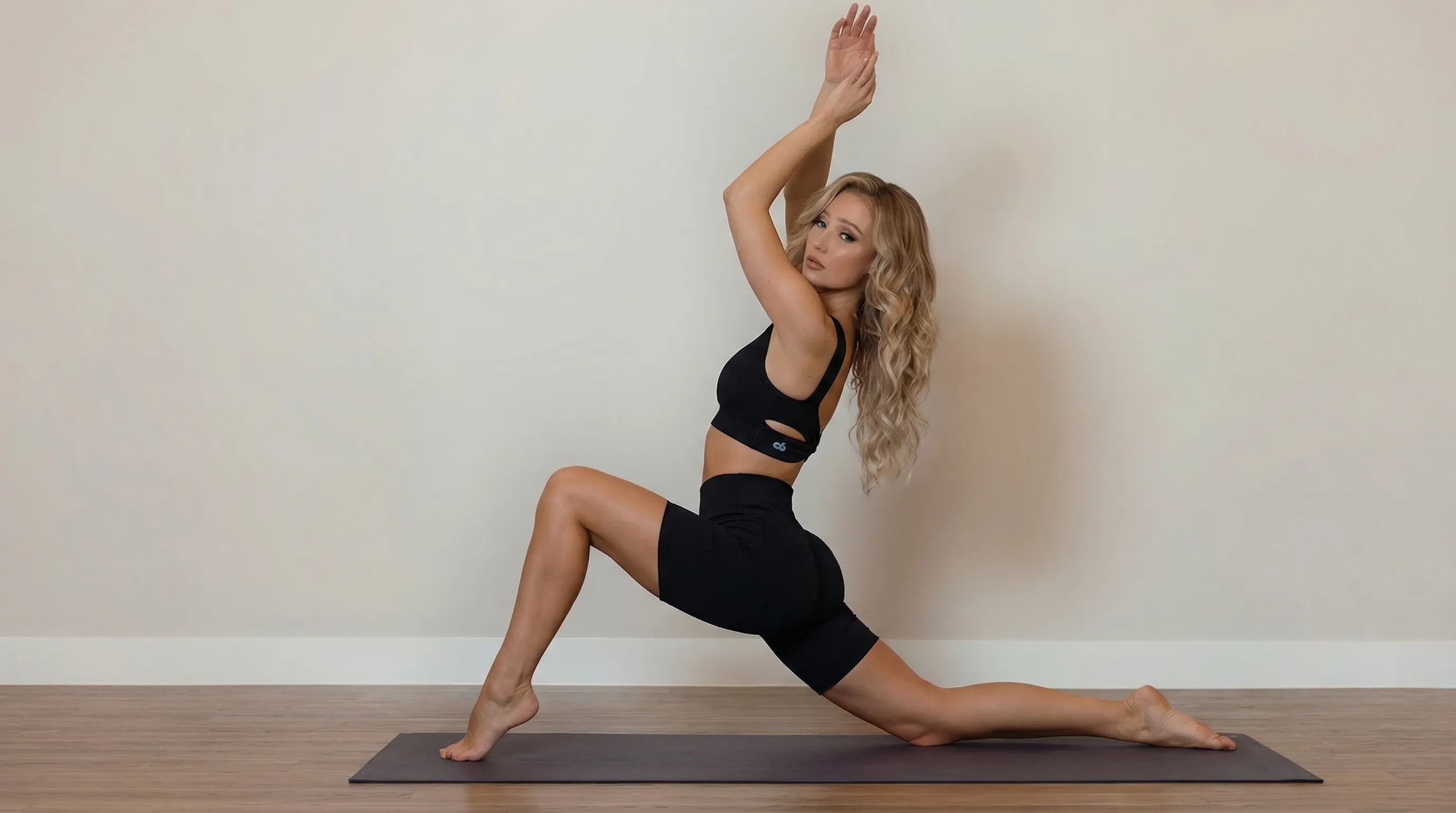
Whether you're a weekend warrior, a dedicated gym-goer, or a competitive athlete, the way you recover determines how effectively your body adapts to training. Understanding the science behind recovery can transform your approach to fitness—helping you train harder, reduce injury risk, and unlock your full potential.
The human body is remarkably adaptive. Every training session creates stress that triggers repair and growth processes. But here's what many people overlook: it's not the workout itself that makes you stronger—it's what happens during recovery.
This is where sports massage and physiotherapy enter the picture. Far from being luxuries reserved for elite athletes, these evidence-based interventions have become essential tools for anyone serious about their physical performance and longevity.
The Nervous System Connection
Your nervous system is the unsung hero of athletic performance. It orchestrates every movement, from the explosive power of a sprint to the fine motor control needed for precision sports. But like your muscles, your nervous system can become fatigued—and it needs targeted recovery strategies.
Research published in the Journal of Applied Physiology reveals that sustained physical exercise leads to reduced force production through both peripheral fatigue (impaired muscle function) and central fatigue (reduced capacity of the nervous system to activate muscles).
This dual nature of fatigue explains why recovery isn't just about resting your muscles. Your nervous system requires its own recovery protocols.
The Autonomic Balance
During exercise, your sympathetic nervous system takes charge, driving your body into a state of heightened alertness. In the recovery phase, the parasympathetic branch becomes more active, promoting a return to rest.
Sports massage actively supports this transition by reducing muscle tension and promoting relaxation. The pressure and manipulation of soft tissue stimulates mechanoreceptors that signal the nervous system to shift toward parasympathetic dominance.
"The difference between winning and losing is often the capability to optimally maintain muscle work despite fatigue."
What the Evidence Shows
A systematic review examining over 114 studies found that massage provides significant benefits for recovery and psychological wellbeing—decreased depression, stress, anxiety, and perception of fatigue alongside increased mood and relaxation.
Key finding: Sports massage combined with active recovery is one of the most efficient interventions for maintaining performance between training sessions.
Multiple studies confirm sports massage effectively reduces delayed onset muscle soreness (DOMS), with research demonstrating marked improvements in flexibility and range of motion following treatment.
The Recovery Timeline
Support that disappears. Performance that doesn't.
Locked-in stability for your most explosive sessions.
Shop Now →The Physiotherapy Advantage
Where sports massage excels at immediate recovery support, physiotherapy provides the broader framework for injury prevention, rehabilitation, and performance optimisation.
The most effective approach to sports injuries is preventing them from occurring. Physiotherapists identify potential weaknesses, instabilities, or muscle imbalances that could lead to injury—addressing problems before they sideline you.
- Recurring pain that doesn't resolve with rest
- Movement compensations or asymmetries
- Post-injury rehabilitation and return to sport
- Performance plateaus despite consistent training
Key Techniques and Their Applications
Understanding which technique works best for your needs can transform your recovery outcomes.
Deep Tissue Work
Targets deeper layers of muscle and connective tissue, breaking down adhesions and relieving chronic muscle tension.
Myofascial Release
Focuses on releasing tension in the fascia—the connective tissue surrounding muscles—improving range of motion.
Neuromuscular Techniques
Combines stretching and muscle activation to enhance flexibility, strength, and coordination.
Trigger Point Therapy
Applies targeted pressure to specific points of tension, relieving referred pain and improving muscle function.
Sport-Specific Applications
Different sports place unique demands on the body. Runners benefit from programmes focusing on lower body mechanics and hip mobility. Swimmers require attention to shoulder health and thoracic spine mobility. Team sport athletes need comprehensive approaches improving agility, balance, and multi-directional movement patterns.
The evidence points toward an integrated approach. Rather than viewing sports massage and physiotherapy as occasional treatments, consider them essential components of your training programme—as important as the workouts themselves.
"Recovery is not the absence of training—it's an active investment in your body's ability to adapt and improve."
Fuel Your Recovery
The science is clear: effective recovery is multidimensional. Your muscles need time to repair, your nervous system needs restoration, and your movement patterns need refinement. Whether you're preparing for competition or simply want to stay active and injury-free, understanding these principles transforms recovery from an afterthought into a strategic advantage. The athletes who perform at their best aren't just training harder—they're recovering smarter.